TortoLingua Blog
Guides to learning languages through reading: choosing texts and books, understanding unfamiliar words, using audio, and exploring language-learning theories.
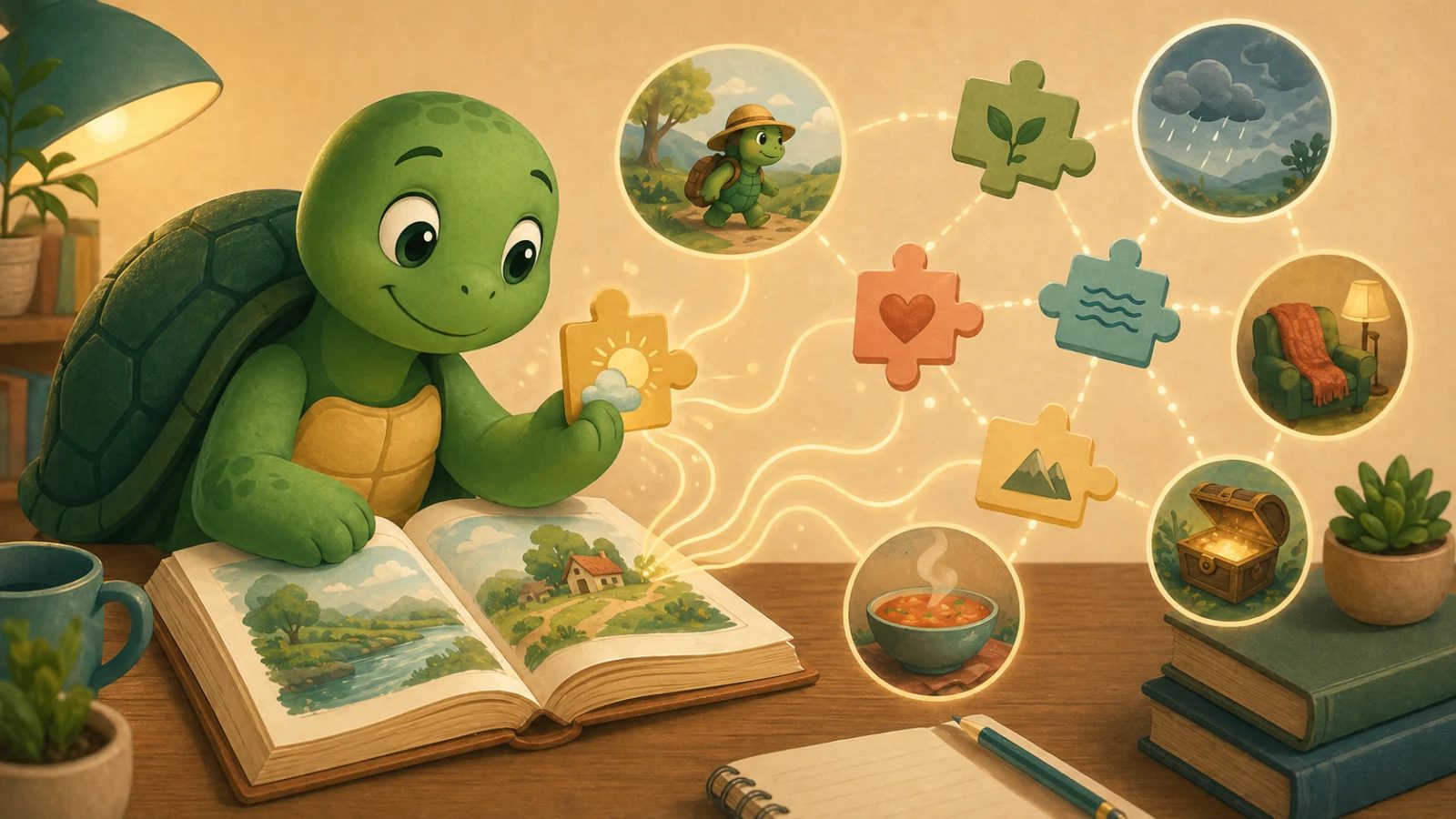
How to Learn Vocabulary in Context Through Reading
Use phrases to understand word meanings, decide what to look up, and separate optional vocabulary notes from word marks in TortoLingua.
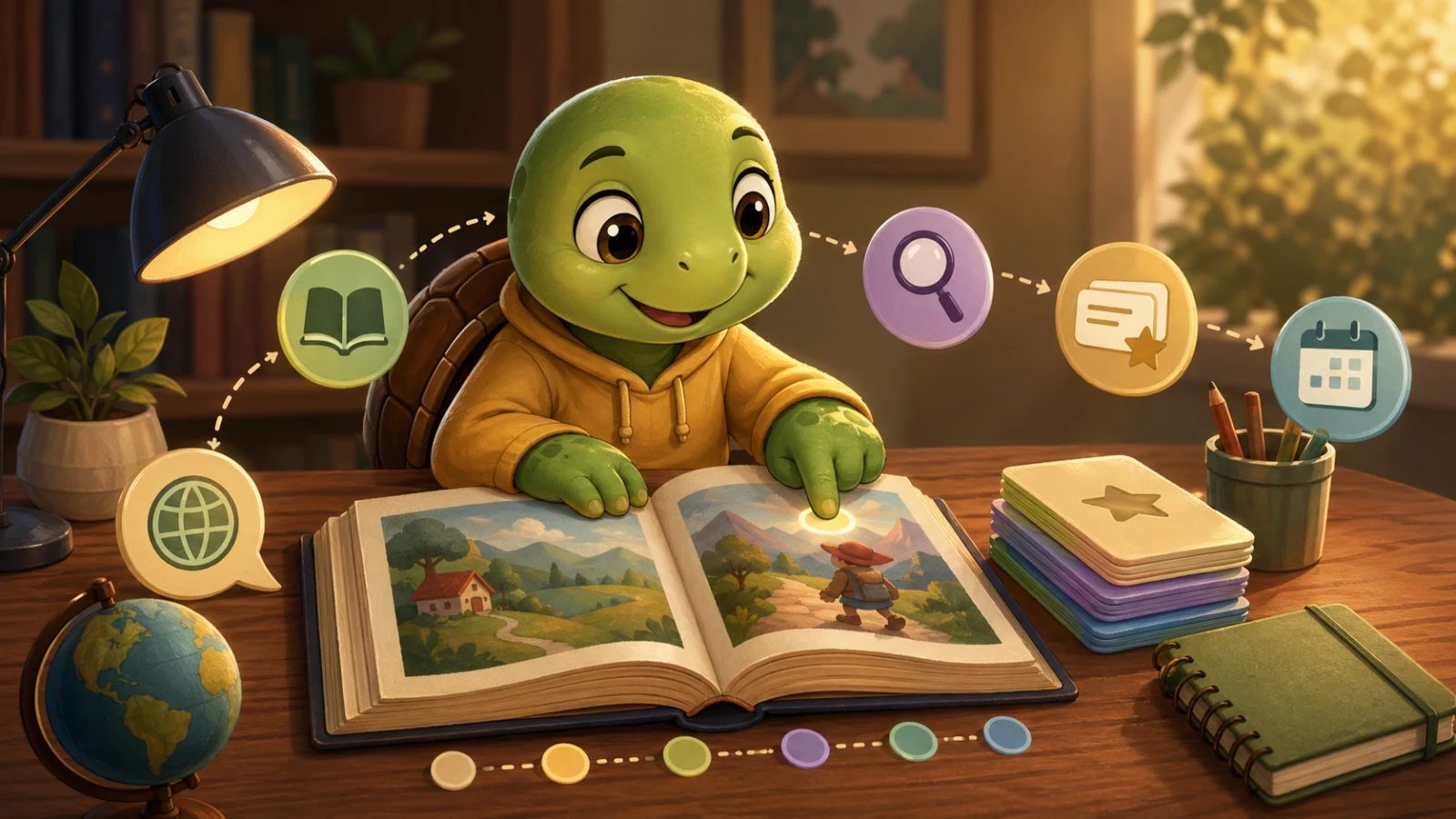
How to Use TortoLingua for Reading Practice
Read a short text in TortoLingua, mark unfamiliar words, check translations, and see how the app uses your marks to choose the next text.
Am I Too Old to Learn a Language? Age, Goals and a Place to Start
What age research does and does not tell adult language learners, with practical ways to start reading, listening and speaking.
Comprehensible Input and Grammar Study: How to Combine Them
When reading and listening help, when a grammar explanation is useful, and how to choose practice for comprehension, speaking or writing.
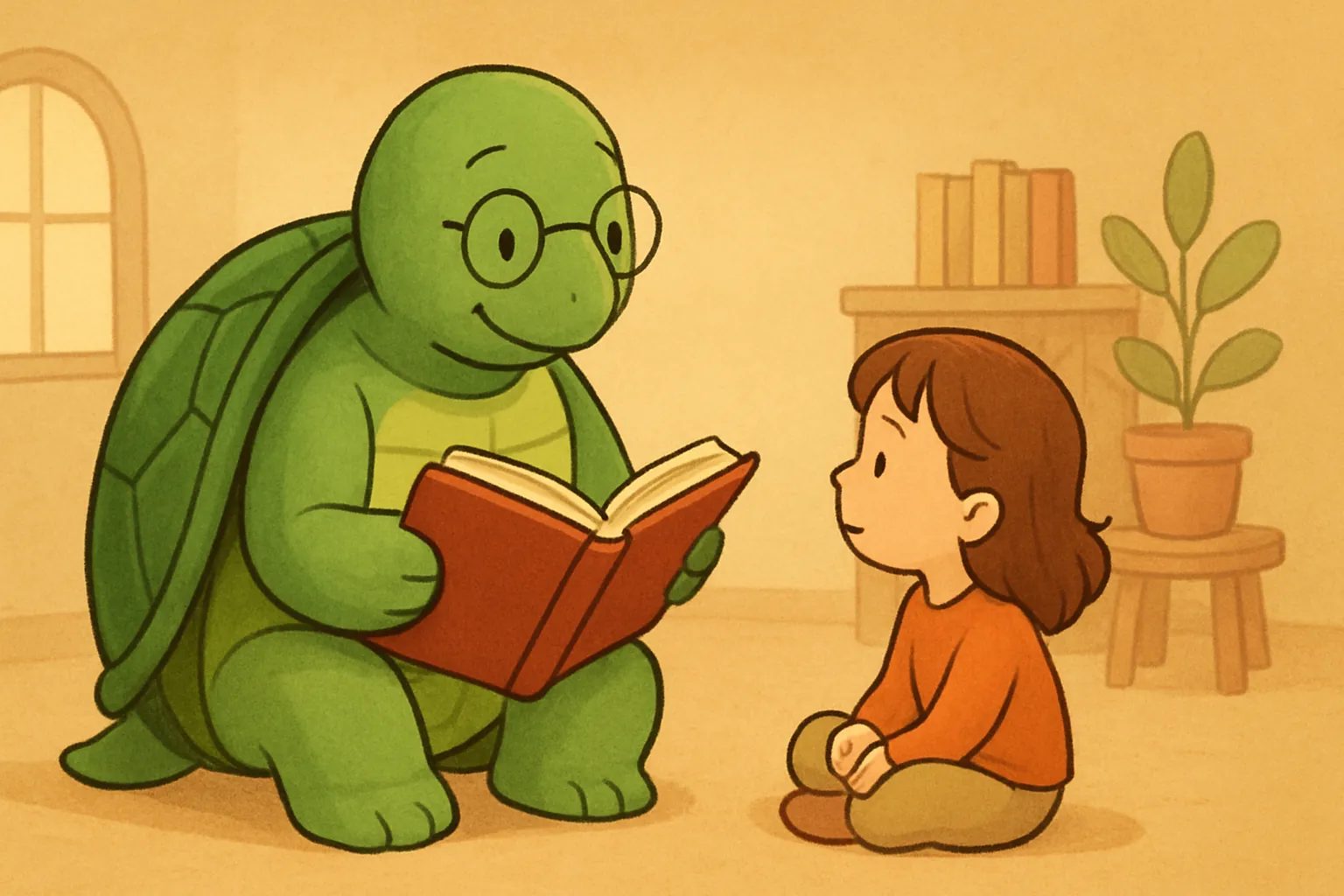
How Kids Learn Languages Through Stories: A Parent's Guide
Choose a story, read together and use pictures, brief explanations and optional rereading to help a child follow another language.
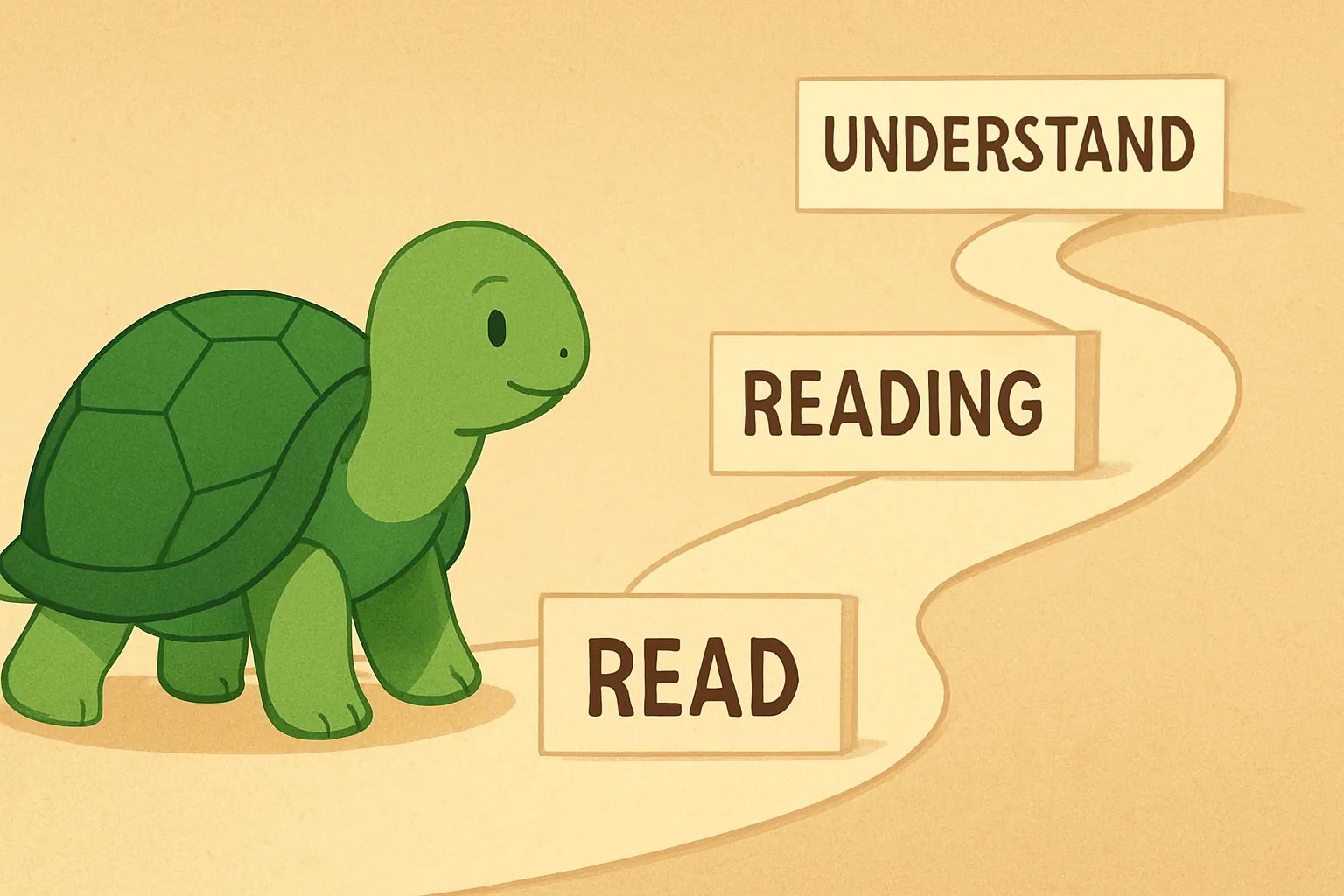
How Much Reading to Reach B1? What Volume Can Tell You
Separate word counts, repeated encounters and B1 ability. Worked calculations show their assumptions without prescribing books, minutes or a completion date.

How to Learn a Language Before Moving Abroad
Prepare for a move by practising useful messages, forms and conversations. Choose priorities from the tasks you expect to face, with no fixed fluency deadline.
How to Learn English by Yourself: Reading, Listening and Practice
An English self-study guide to choosing readable texts, using translations, practising listening and speaking, and checking what you can do.

How to Learn Portuguese as a Beginner: A Practical Start
Choose Brazilian or European Portuguese, read useful phrases, check misleading Spanish similarities, and connect short texts with listening and conversation.
How to Learn Spanish: Reading and Conversation for Beginners
Start Spanish with useful phrases, clear examples of ser and estar, supported reading, and listening that matches what you want to understand.


