Guides
Step-by-step walkthroughs for getting specific things done — routine setups, feature deep-dives, study templates.

Graded Readers: How to Choose Books You Can Actually Finish
Use a curated graded-reader finder to choose level-appropriate books by CEFR level, language, audio, genre, and legal source.
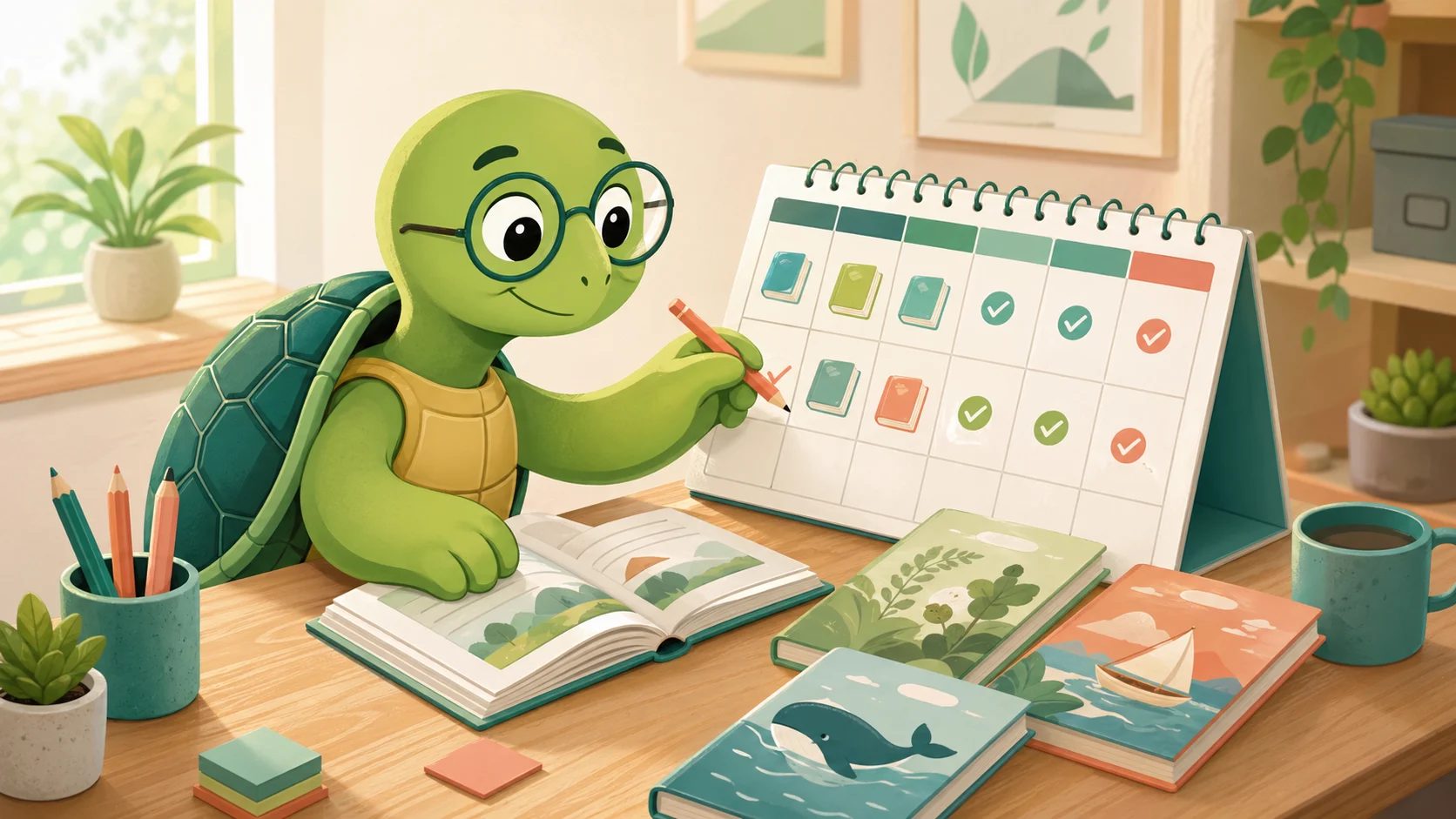
Reading Volume Planner: How Much Should You Read Each Week?
Set a realistic weekly reading target, check whether your text is readable enough, and adjust without fake fluency or CEFR promises.
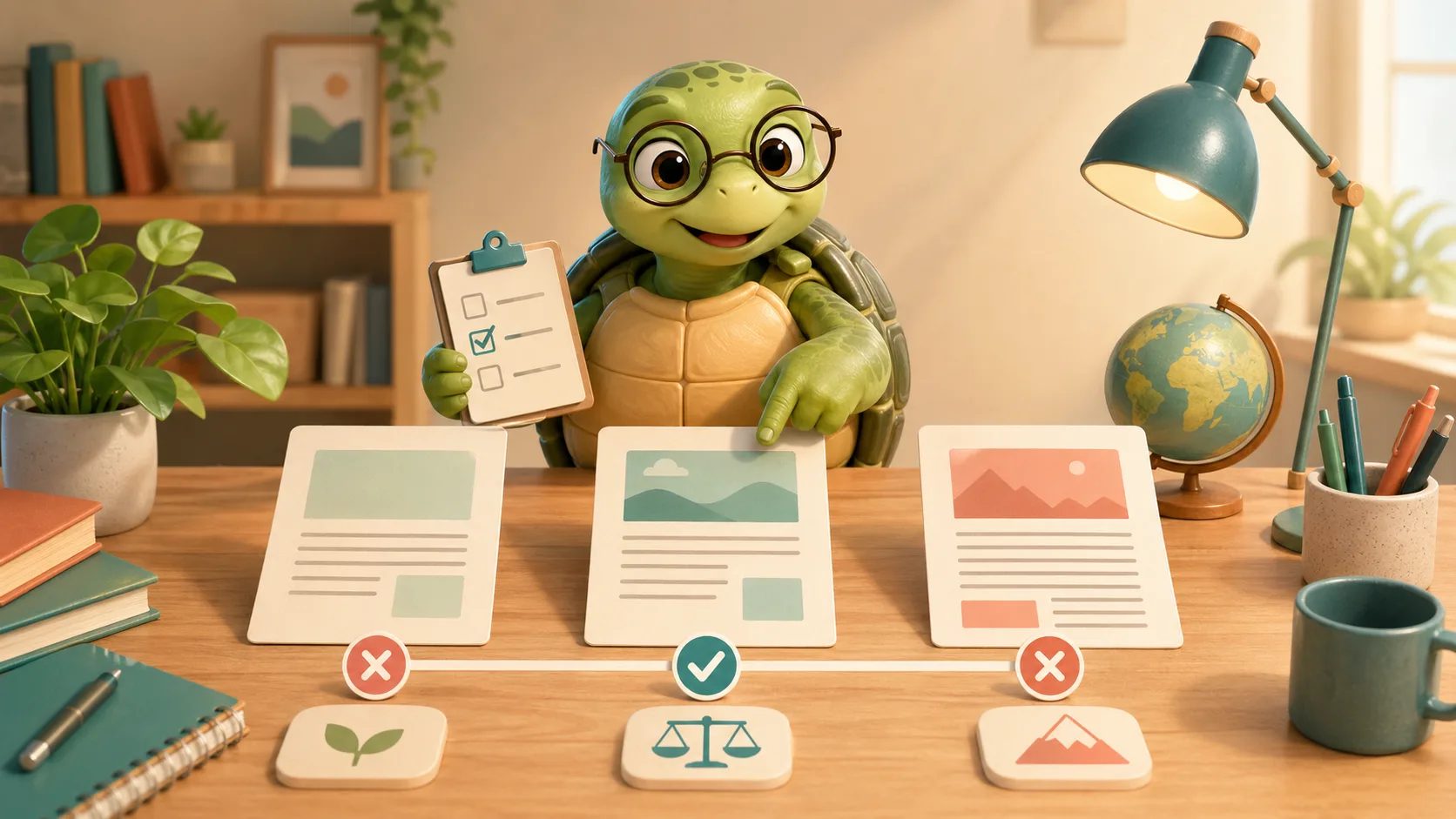
Reading Level Checklist: How to Choose Texts You Can Actually Read
Use this checklist to decide if a text is too easy, right for reading practice, useful for short study, or too hard for today.

From Graded Readers to Native Books: When to Move Up
Learn when graded readers are still useful, how to test a native book, and how to move toward authentic texts without losing reading volume.

How to Learn Vocabulary in Context Through Reading
Learn how reading builds vocabulary through repeated encounters, when to save a word, and how spaced review supports context instead of replacing it.
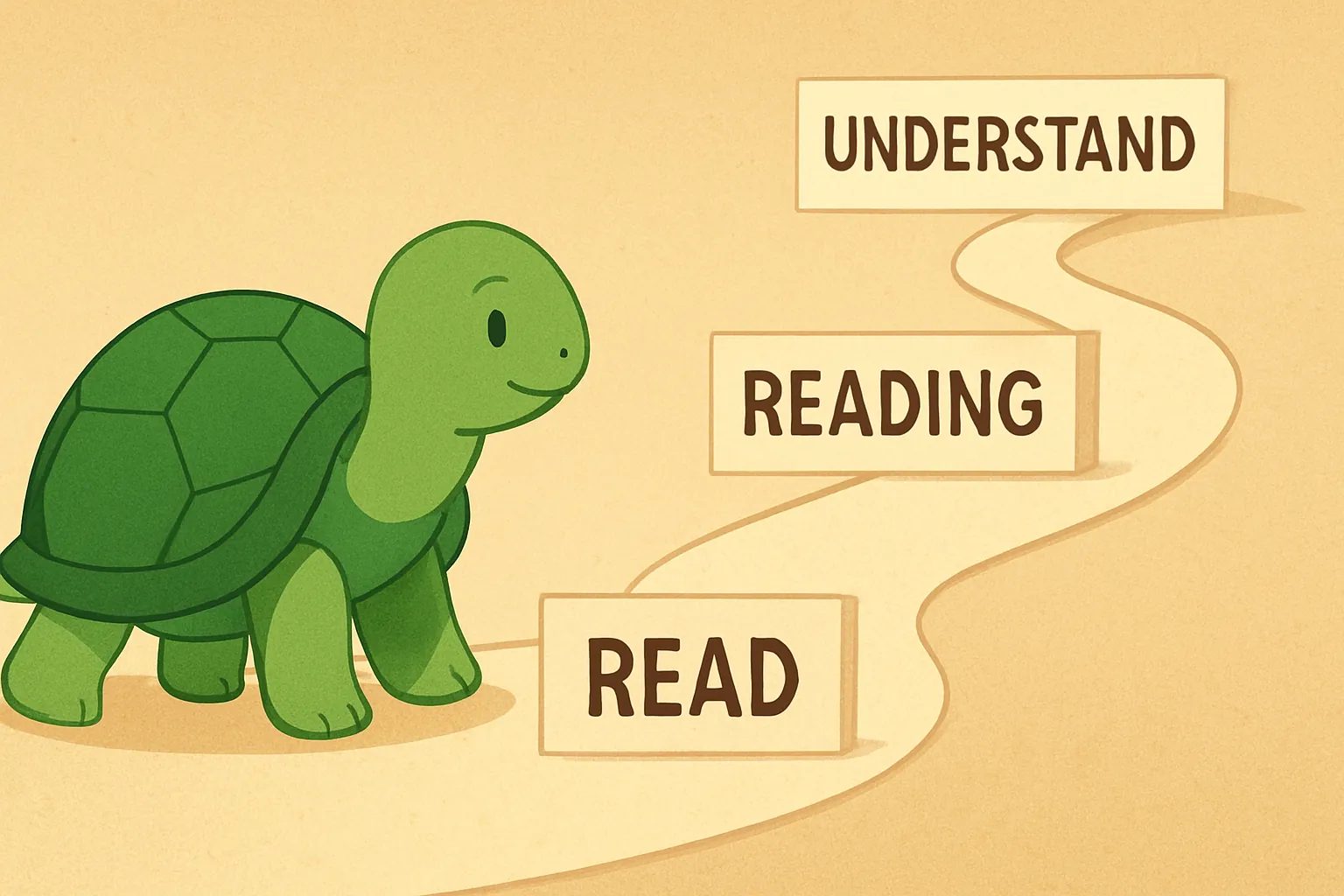
How Much Reading to Reach B1? Realistic Ranges
How much reading can support B1? Use realistic ranges for graded readers, word volume, vocabulary repetition, and CEFR limits.
How to Learn a Language Before Moving Abroad
How to learn a language before moving abroad. Realistic timeline, what level to aim for, bureaucratic needs, and reading as the best preparation method.
Language Learning Consistency: A Daily Routine That Works
Build language learning consistency with a 5-15 minute routine, reading, review, habit anchors, and calm recovery after missed days.
Language Learning Plateau: Why You're Stuck and What to Do
How to break through a language learning plateau: why the B1-B2 trap happens, what to change, and how extensive reading helps.

How Long Does It Take to Learn a Language? A Realistic Framework
A realistic framework for language-learning timelines: CEFR goals, FSI caveats, reading volume, practice quality, and target-skill expectations.


TortoLingua app
Read in the browser or install the mobile app.
The app page links to the web app, the official iOS App Store listing, and Google Play for Android.