Mykola Riabchenko
Mykola Riabchenko is the founder of TortoLingua, a reading-first language learning platform built for short daily sessions and adaptive vocabulary review. He works at the intersection of software engineering, cognitive science, and applied linguistics — the overlap where real-world reading becomes durable vocabulary.
He writes about comprehensible input, the natural order hypothesis, and the practical realities of maintaining a second language while living, working, and raising kids across languages. The angle is always the same: how do you actually keep going when life is busy, and what does the research tell us about the smallest reliable daily dose of input?
Before TortoLingua, Mykola spent over a decade building developer tools and content platforms — the engineering backdrop that informs how TortoLingua’s adaptive reader picks texts, surfaces meaning at the right moment, and respects the reader’s finite attention.
He publishes primarily in English and Ukrainian, with translations in Polish, Spanish, Portuguese, French, German, and Serbian — the seven learner communities TortoLingua serves today. If you want to follow the broader product story, the TortoLingua channels below post shorter notes more often than this blog does.
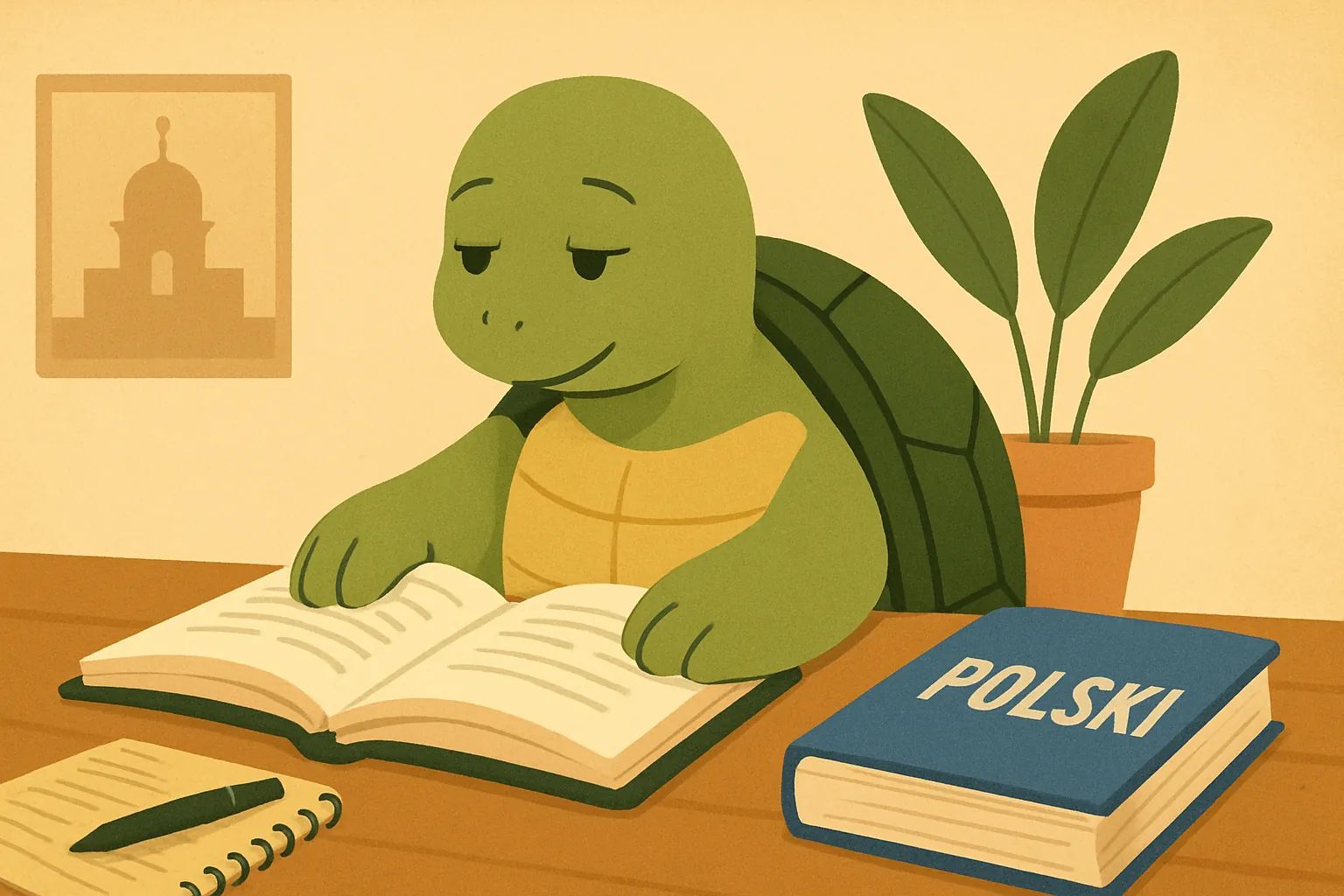
Can Ukrainians understand Polish? A cautious reading-first plan for beginners
A practical answer on how much Polish Ukrainian speakers may understand, plus a careful first-week plan using script bridge, pronunciation, short texts, feedback, and TortoLingua as the reading layer.
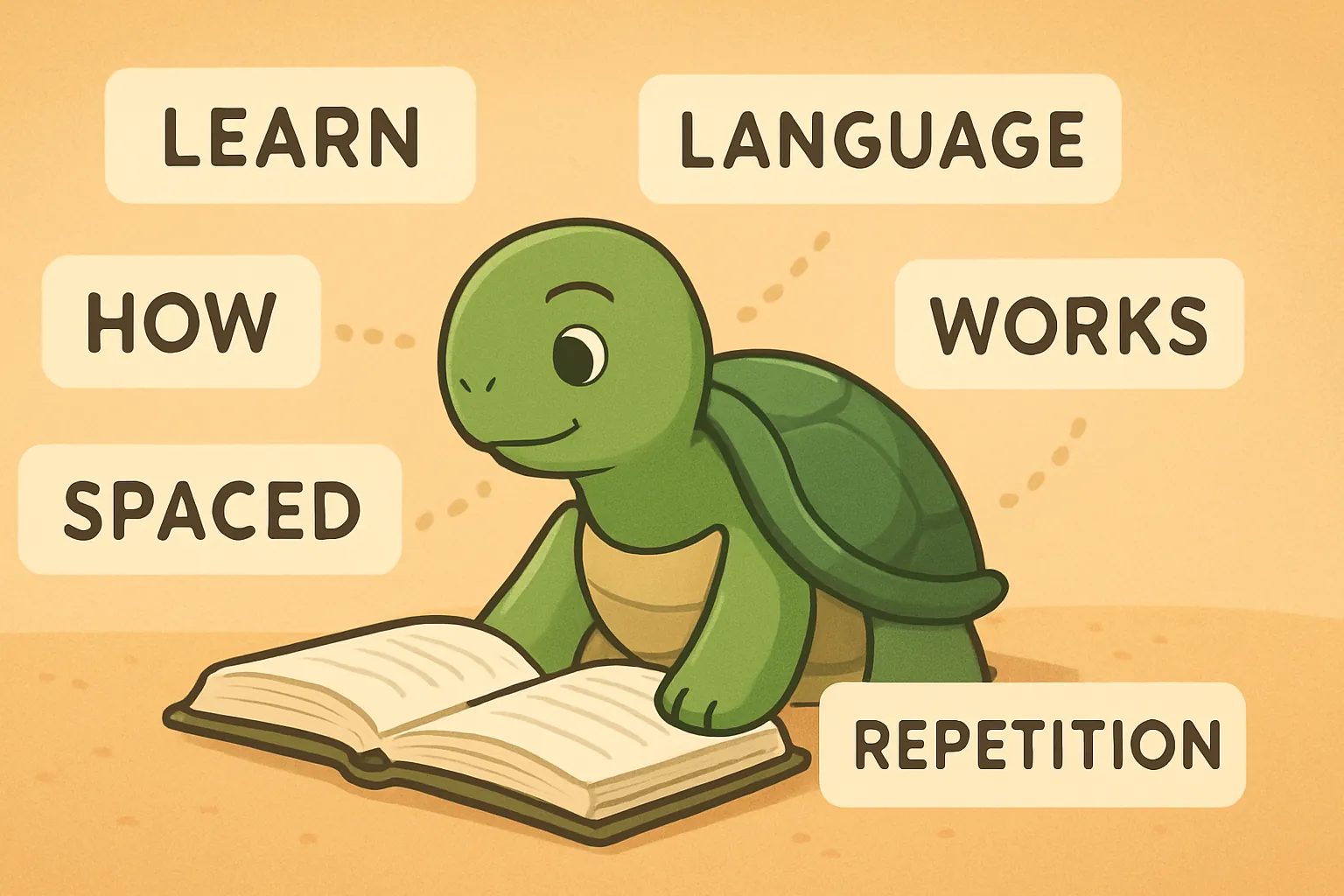
Spaced Repetition for Languages: Flashcards + Reading
Spaced repetition for language learning: how SRS helps vocabulary, where flashcards fall short, and how reading adds context.

How to Learn German from Scratch: A Reading-First Plan
Reading-first plan for learning German from scratch: cases, gender, word order, realistic time ranges, and how to choose readable German texts.
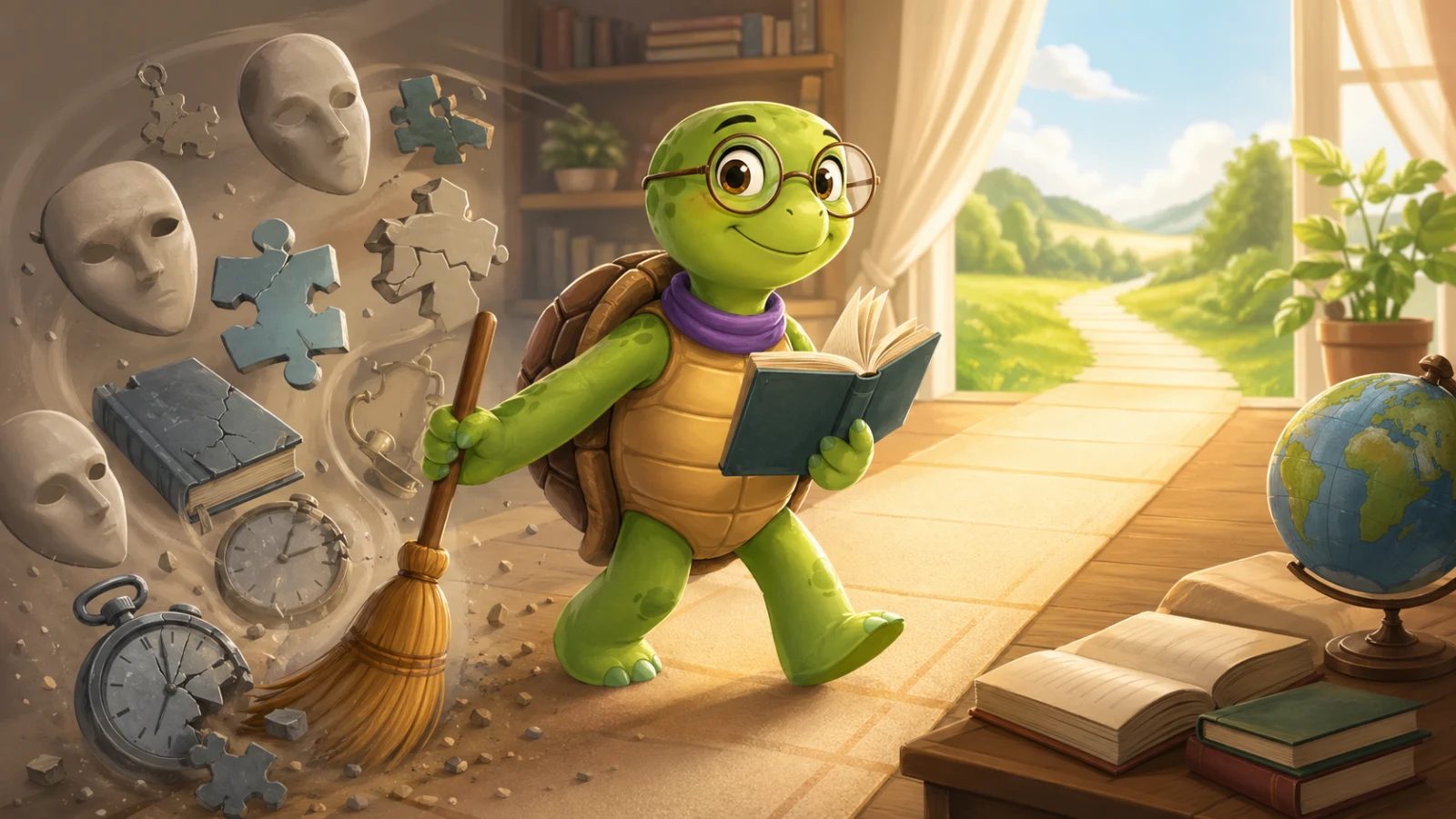
7 Language Learning Myths That Hold You Back
Seven language learning myths debunked with research. Too old, must live abroad, grammar first, need talent, flashcards best, fluent in 30 days, children learn effortlessly.

How Long Does It Take to Learn a Language? A Realistic Framework
A realistic framework for language-learning timelines: CEFR goals, FSI caveats, reading volume, practice quality, and target-skill expectations.

Learn a Language by Reading: What Works and What Does Not
A practical, evidence-aware guide to learning a language through reading: text difficulty, 95–98% coverage, vocabulary growth, and what reading cannot replace.
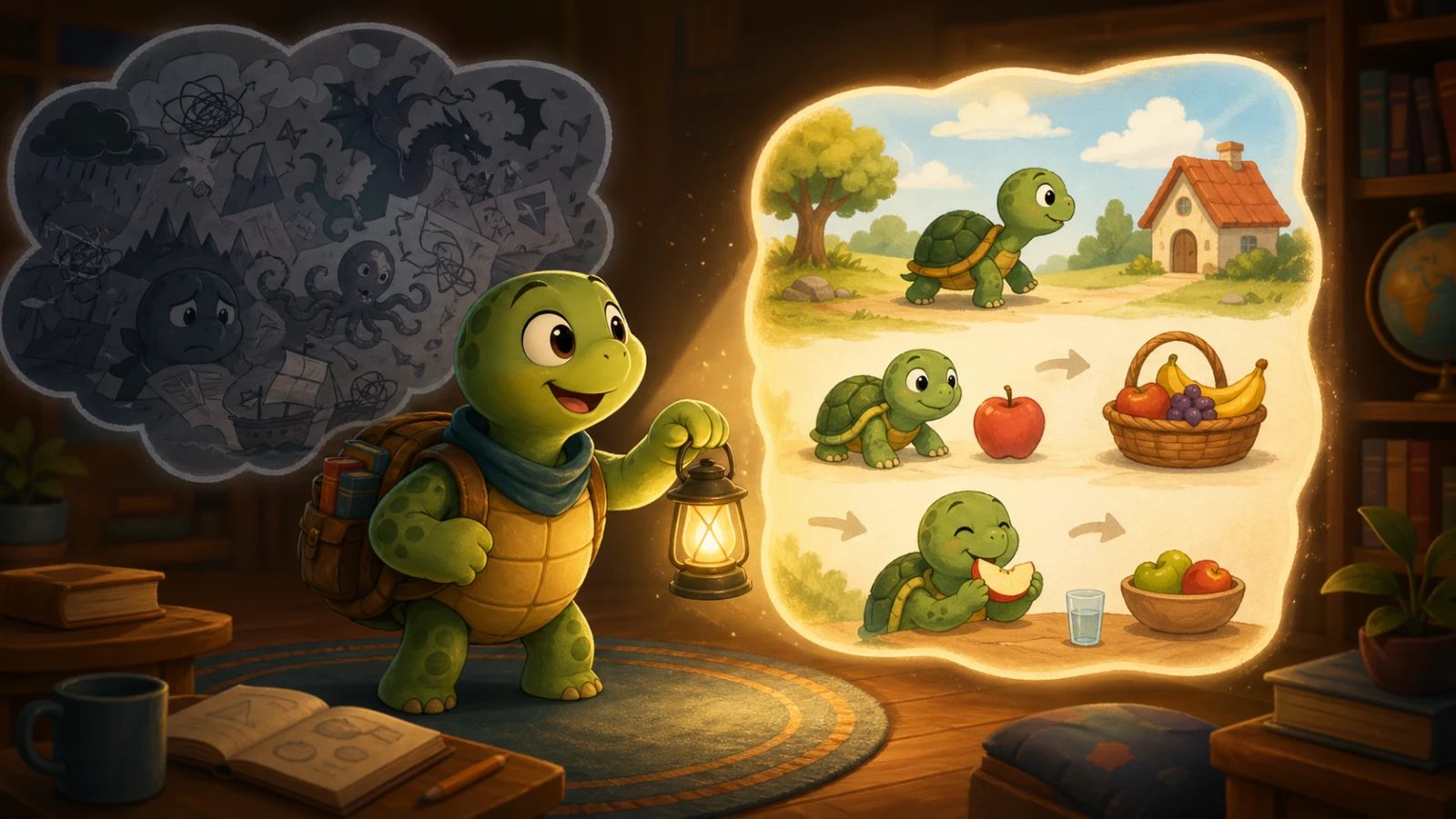
What Is Comprehensible Input and Why It Works
Comprehensible input means language you mostly understand. Learn how to choose readable texts, use the 95%/98% guideline, and avoid common input myths.


TortoLingua app
Read in the browser or install the mobile app.
The app page links to the web app, the official iOS App Store listing, and Google Play for Android.