Mykola Riabchenko
Mykola Riabchenko is the founder of TortoLingua, a reading-first language learning platform built for short daily sessions and adaptive vocabulary review. He works at the intersection of software engineering, cognitive science, and applied linguistics — the overlap where real-world reading becomes durable vocabulary.
He writes about comprehensible input, the natural order hypothesis, and the practical realities of maintaining a second language while living, working, and raising kids across languages. The angle is always the same: how do you actually keep going when life is busy, and what does the research tell us about the smallest reliable daily dose of input?
Before TortoLingua, Mykola spent over a decade building developer tools and content platforms — the engineering backdrop that informs how TortoLingua’s adaptive reader picks texts, surfaces meaning at the right moment, and respects the reader’s finite attention.
He publishes primarily in English and Ukrainian, with translations in Polish, Spanish, Portuguese, French, German, and Serbian — the seven learner communities TortoLingua serves today. If you want to follow the broader product story, the TortoLingua channels below post shorter notes more often than this blog does.
How to Learn Spanish as a Beginner: A Step-by-Step Guide
How to learn Spanish as a complete beginner. FSI data, pronunciation basics, month-by-month plan, reading approach, and common mistakes to avoid.
Krashen's Input Hypothesis: i+1 Meaning and Examples
What Krashen's Input Hypothesis means, how i+1 works, examples of comprehensible input, and when grammar, output, and feedback help.
Language Learning Consistency: A Daily Routine That Works
Build language learning consistency with a 5-15 minute routine, reading, review, habit anchors, and calm recovery after missed days.
Language Learning Plateau: Why You're Stuck and What to Do
How to break through a language learning plateau: why the B1-B2 trap happens, what to change, and how extensive reading helps.

Learn French Through Reading: What to Read First
A reading-first guide to French: choose level-fit texts, use audio wisely, build volume, and avoid false fluency promises.

Learn Serbian for Beginners: A Reading-First Guide
Reading-first Serbian beginner guide: Latin and Cyrillic scripts, phonetic spelling, cases, South Slavic transfer, and what to read first.
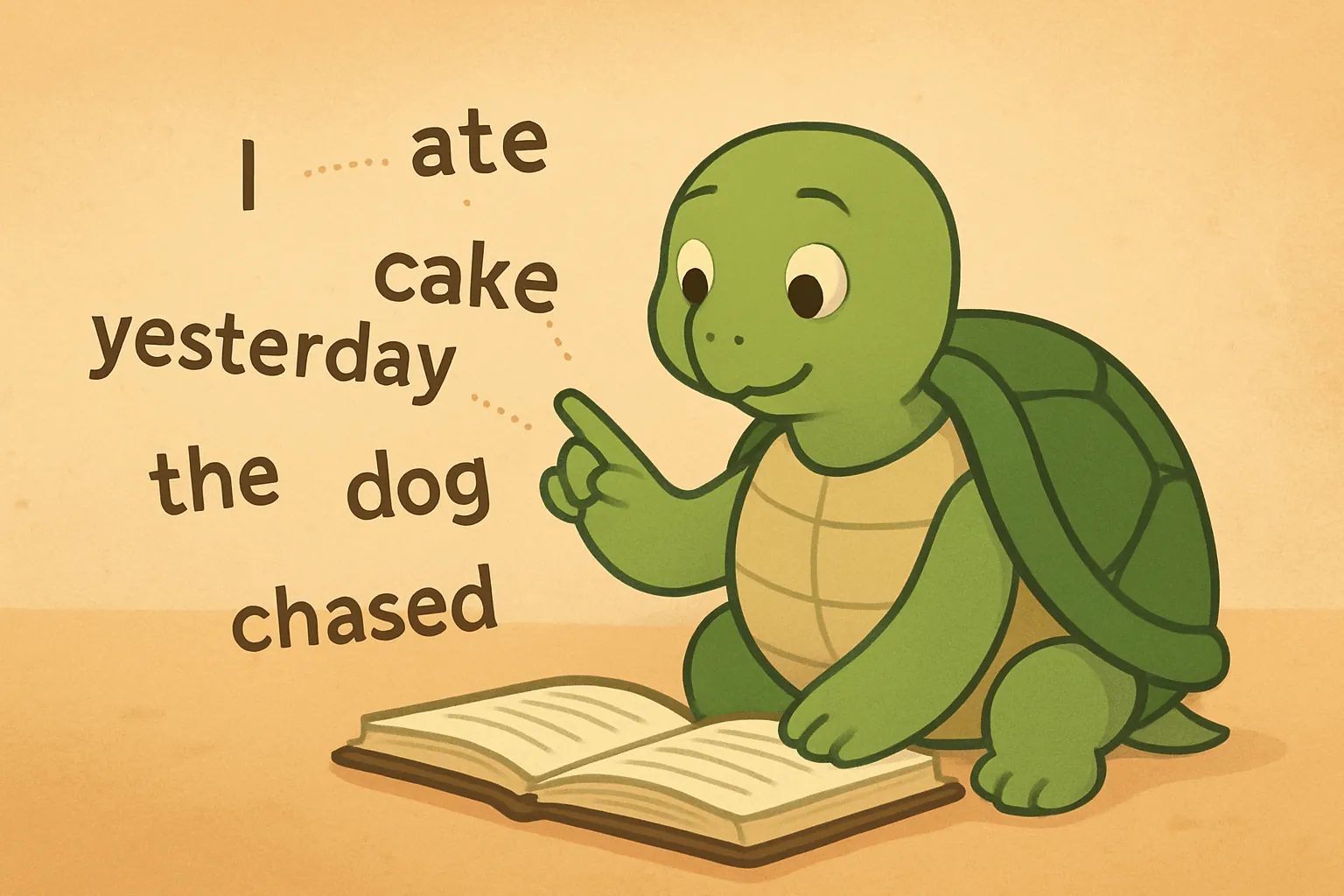
Natural Order Hypothesis: Meaning and Examples
What the Natural Order Hypothesis means, examples from English grammar, Krashen's view, acquisition order, teachability, and input.
Extensive Reading: Meaning, Examples, How to Start
Extensive reading for language learning: meaning, examples, 95-98% text difficulty, dictionary rules, and a practical weekly routine.
Best Language Learning Apps for Kids in 2026
Best language learning apps for kids in 2026. What to look for, research on children's language acquisition, and honest reviews of top apps including TortoLingua.
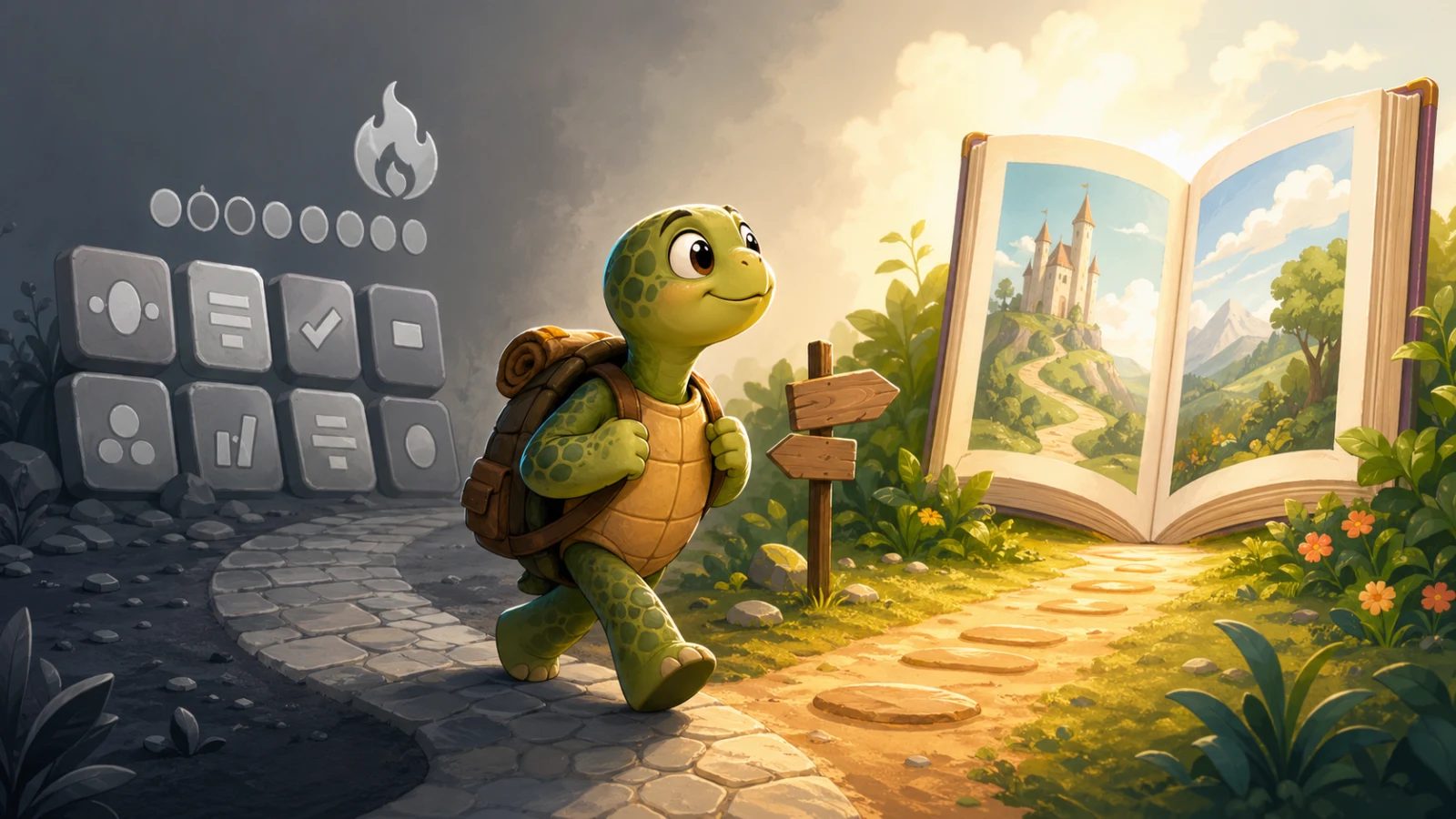
TortoLingua vs Duolingo: A Reading-Based Alternative
Honest comparison of TortoLingua and Duolingo. What Duolingo does well, where it falls short, and why a reading-based approach may work better for serious learners.


TortoLingua app
Read in the browser or install the mobile app.
The app page links to the web app, the official iOS App Store listing, and Google Play for Android.