Mykola Riabchenko
Mykola Riabchenko is the founder of TortoLingua, a reading-first language learning platform built for short daily sessions and adaptive vocabulary review. He works at the intersection of software engineering, cognitive science, and applied linguistics — the overlap where real-world reading becomes durable vocabulary.
He writes about comprehensible input, the natural order hypothesis, and the practical realities of maintaining a second language while living, working, and raising kids across languages. The angle is always the same: how do you actually keep going when life is busy, and what does the research tell us about the smallest reliable daily dose of input?
Before TortoLingua, Mykola spent over a decade building developer tools and content platforms — the engineering backdrop that informs how TortoLingua’s adaptive reader picks texts, surfaces meaning at the right moment, and respects the reader’s finite attention.
He publishes primarily in English and Ukrainian, with translations in Polish, Spanish, Portuguese, French, German, and Serbian — the seven learner communities TortoLingua serves today. If you want to follow the broader product story, the TortoLingua channels below post shorter notes more often than this blog does.

Learn Portuguese Through Reading: What to Read First
A reading-first guide to Portuguese: choose level-fit texts, use audio wisely, build volume, and avoid false fluency promises.
Learn Serbian Through Reading: What to Read First
A reading-first guide to Serbian: choose level-fit texts, use audio wisely, build volume, and avoid false fluency promises.

Learn Spanish Through Reading: What to Read First
A reading-first guide to Spanish: choose level-fit texts, use audio wisely, build volume, and avoid false fluency promises.
Learn Ukrainian Through Reading: What to Read First
A reading-first guide to Ukrainian: choose level-fit texts, use audio wisely, build volume, and avoid false fluency promises.

Graded Readers: How to Choose Books You Can Actually Finish
Use a curated graded-reader finder to choose level-appropriate books by CEFR level, language, audio, genre, and legal source.

Reading Volume Planner: How Much Should You Read Each Week?
Set a realistic weekly reading target, check whether your text is readable enough, and adjust without fake fluency or CEFR promises.
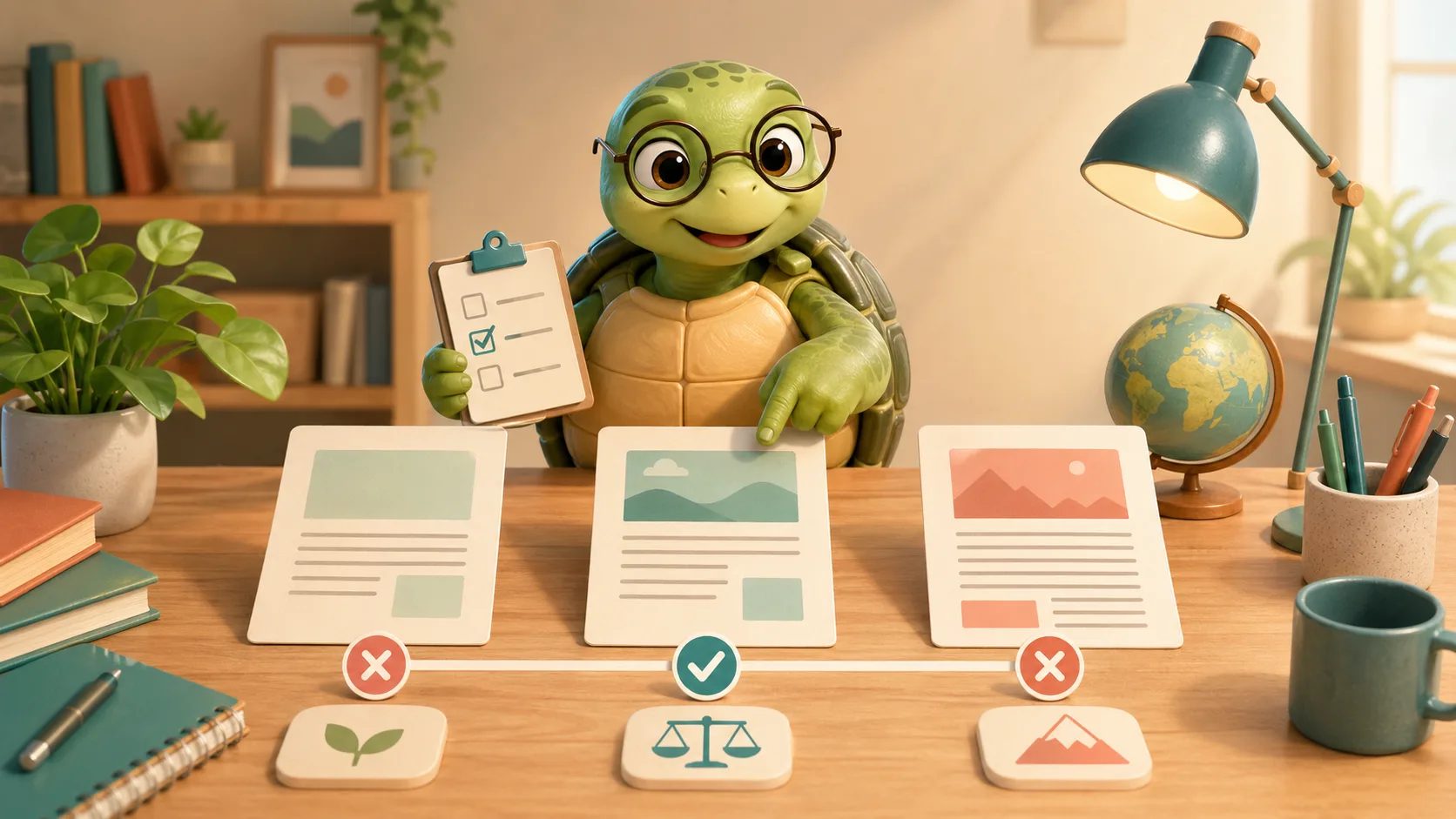
Reading Level Checklist: How to Choose Texts You Can Actually Read
Use this checklist to decide if a text is too easy, right for reading practice, useful for short study, or too hard for today.

95% vs 98% Reading Coverage: Pick Texts Without Guessing
Understand 95% and 98% known-word coverage: one unknown word in 20 vs one in 50, and how to choose texts for reading practice.

Can You Learn a Language Only by Reading?
Reading builds comprehension and vocabulary. Add narrator audio, shadowing, and retelling to turn understanding into listening and speaking practice.

From Graded Readers to Native Books: When to Move Up
Learn when graded readers are still useful, how to test a native book, and how to move toward authentic texts without losing reading volume.


TortoLingua app
Read in the browser or install the mobile app.
The app page links to the web app, the official iOS App Store listing, and Google Play for Android.